The Route, Explained
How to Get from Bali to Ijen: Ketapang Ferry Route, Travel Time & Directions
Figuring out how to get from Bali to Ijen can feel a bit like cracking a code, especially when you’re aiming for the blue fire at midnight. It’s a multi-stage journey, but it’s entirely doable and absolutely worth the effort. This guide breaks down the exact overland route.
The Overland Route
The journey from Bali to the Ijen crater involves a drive across Bali to its westernmost port, an inter-island ferry crossing to Java, and then a final transfer up into the mountains. It’s an adventure in itself, but with the right planning it becomes a seamless part of your overall experience.
The Midnight Departure Logic
Why You Leave Bali So Late
The blue flames at Ijen are ignited sulfuric gas, emerging from cracks in the volcano at high pressure and temperature. They are most vibrant and noticeable between approximately 2:00 AM and 4:00 AM. This timing dictates the entire schedule.
-
Stage 1 · 3 – 4 hours
Driving Across Bali to Gilimanuk Port
From South Bali (Seminyak, Canggu, Ubud) expect a drive of approximately 3 to 4 hours, covering about 100 to 130 kilometres. Traffic can significantly impact this, especially during peak hours around Denpasar and Tabanan. The road is generally well-maintained, but it’s a standard Indonesian road with local traffic, including motorbikes, trucks and the occasional ceremony procession. Patience is key.
-
Stage 2 · 45 – 60 min sailing
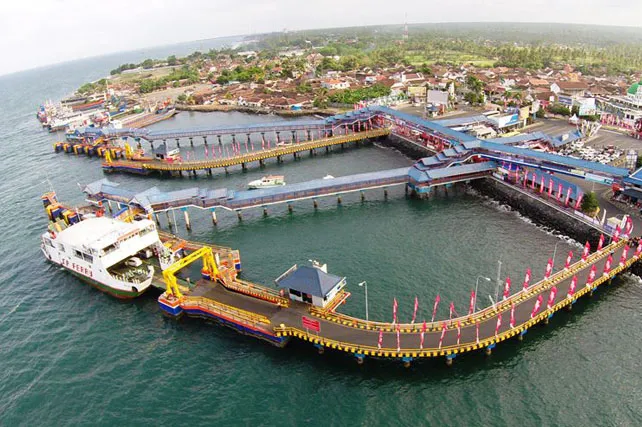
The Gilimanuk–Ketapang Ferry Crossing
The ferry service operates 24 hours a day, 7 days a week, departing frequently — typically every 15 to 30 minutes — ensuring minimal waiting time. Factor in time for purchasing tickets, boarding and disembarking: the entire process usually takes about 1.5 to 2 hours. The ferries are large vehicle carriers, often quite basic but perfectly functional.
-
Stage 3 · 1 – 1.5 hours
From Ketapang Port to Paltuding
The final leg takes you inland and uphill, covering roughly 40 to 50 kilometres. The road gradually ascends and can be winding in places. It’s generally paved but can have rougher sections, especially as you get closer to the crater. Paltuding is a simple ranger post with basic facilities — toilets, and sometimes small stalls selling coffee or snacks, though these might not be open in the middle of the night.
-
00:00 – 01:00
Arrival at Paltuding Base Camp
You need to arrive here around midnight to 1:00 AM to make the blue-fire window work.
-
1.5 – 2 hours
Hike to the Crater Rim
Where you register, meet your local guide, and begin your trek.
-
30 – 45 minutes
Descent to the Blue Fire
Descending into the crater to see the blue fire up close, if conditions allow and it is safe.
-
Sunrise
Back to the Rim for Sunrise
After witnessing the blue fire, you ascend back to the rim to catch the incredible sunrise views over the turquoise crater lake.
Indicative ferry costs last verified June 2026. These prices are for a one-way trip and are paid directly at the port ticket counter. Always have some local currency (Indonesian Rupiah) on hand.
Four Ways to Do It
Choosing Your Bali to Ijen Overnight Trip Option
You have a few ways to tackle the Bali to Ijen journey, each with its own advantages. Your choice depends on your budget, comfort level, and how much planning you want to handle yourself.
Self-Drive
- Pros
- Maximum flexibility, potentially lower cost if you’re a group.
- Cons
- Requires navigating unfamiliar roads at night, dealing with ferry logistics, finding parking, and arranging a local guide last-minute. Can be tiring, especially after the hike.
- Note
- Local regulations require a guide for the crater descent. Ensure your rental vehicle is in excellent condition for mountain roads.
Public Transport
- Pros
- Very cheap.
- Cons
- Extremely time-consuming, complex logistics, uncomfortable, and nearly impossible to time correctly for the midnight blue fire hike without significant delays and stress.
- Verdict
- Not recommended for an overnight blue fire trip.
Private Transfer Only
- Pros
- More comfortable than self-driving, less stressful than public transport.
- Cons
- Still requires you to coordinate multiple drivers and a separate guide.
- Risk
- If one part of the chain breaks down — a ferry delay, for instance — it impacts everything.
All-Inclusive Guided Tour
- Convenience
- Door-to-door service: no worrying about navigation, parking or multiple bookings.
- Safety
- Experienced drivers familiar with the night routes, and licensed local guides who know the Ijen terrain intimately.
- Efficiency
- Optimized timing to ensure you reach Ijen at the perfect moment for the blue fire.
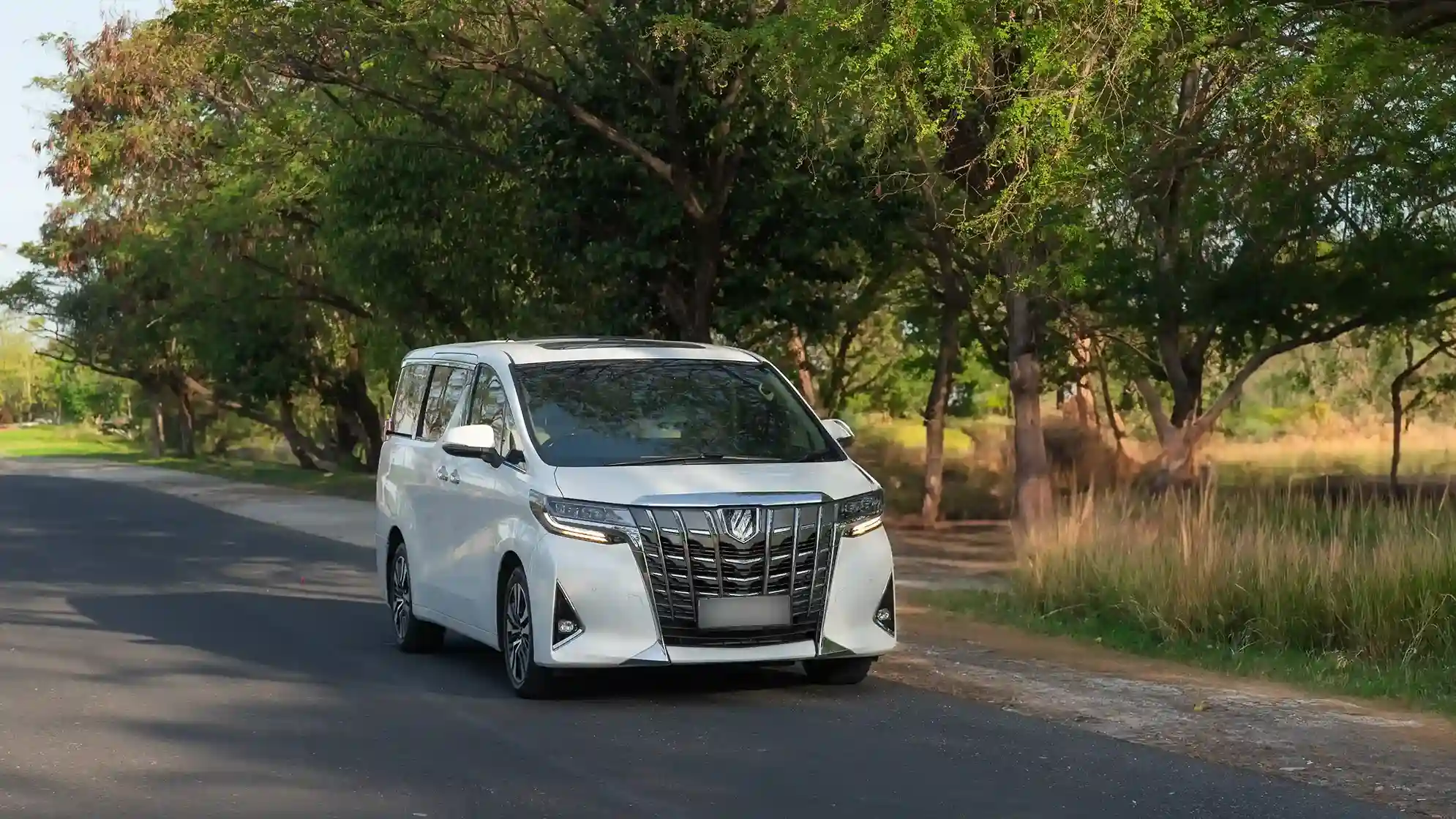
We simplify this entire process. You book directly with our own Bali Premium Trip reservations team, and we handle all the logistics — transfers in Bali and Java, the ferry tickets, park entrance permits, and vetted, licensed local Ijen guides.
On the Trail
Respecting the Ijen Sulfur Miners
One of the most important aspects of visiting Kawah Ijen is understanding and respecting the sulfur miners. These men undertake incredibly strenuous and dangerous work, often carrying loads of 70-90 kg of sulfur up from the crater floor, sometimes twice a day. They are the true heroes of Ijen, working under conditions that few can imagine.
They are not tourist attractions, but people doing a dangerous job to support their families. Acknowledge their hard work with a nod or a smile.
- Give them space — they are carrying heavy loads on uneven terrain. Always step aside and let them pass, especially on narrow paths.
- Do not impede their work — avoid blocking their path for photos or conversation. Their job is physically demanding and time-sensitive.
- Ask permission before photographing. A simple gesture or a polite "permisi" goes a long way.
- Some miners may ask for a small tip if you take their photo, which is a fair exchange for their time and effort. Be prepared with some small Rupiah notes.
Preparation
Important Gear and Preparations for Your Ijen Hike
Beyond the logistics of how to get to Ijen from Bali, preparing for the hike itself is crucial for a comfortable and safe experience. The trail, though not technically difficult, is steep in parts and requires good physical condition.
Footwear
Sturdy hiking shoes or trainers with good grip are essential. The trail can be rocky and slippery, especially on the descent into the crater.
Clothing
Dress in layers. It’s cold at the start, but you’ll warm up quickly while hiking. A warm jacket, hat and gloves are recommended for the pre-dawn hours at the rim — temperatures can drop to 5-10°C (41-50°F).
Gas Mask
Absolutely mandatory for descending into the crater and highly recommended even on the rim if the wind shifts. Sulfur fumes can be very strong and irritating. Our tours provide high-quality gas masks.
Headlamp / Flashlight
Essential for navigating the dark trail. Your phone’s flashlight isn’t bright enough.
Water & Snacks
Stay hydrated and bring energy-boosting snacks.
Wind Protection
The rim can be very windy, especially before sunrise.
Our tours provide high-quality gas masks. The dry season (May to October) generally offers less rain, clearer skies and cooler temperatures ideal for hiking, and the dry air tends to lead to more vivid sunrises and clearer views of the stars and the blue fire.
FAQ
FAQs About Getting to Ijen from Bali
How long does it take to get from Bali to Ijen?
What is the Gilimanuk to Ketapang ferry schedule?
Can I see the blue fire if I don’t go on an overnight trip from Bali?
Do I need a guide for the Ijen crater hike?
What’s the best way to get to Ijen from Bali for a first-timer?
How much does the ferry cost?
Keep Exploring
Other Ways to See Kawah Ijen
Ijen Sunrise & Crater Rim Tour
The turquoise acid lake at dawn, without the steep descent into the crater.
Crater Lake Overnight Tour
Two days, one night, with a proper Banyuwangi hotel before the midnight trek.
Ijen + Bromo Tour from Bali
Two volcanoes, one East Java journey — blue fire and the Bromo sunrise caldera.
Ijen + Bromo + Tumpak Sewu
The full East Java circuit, adding the "Niagara of Java" over 3–4 days.
From Banyuwangi, Bondowoso & Surabaya
Every East Java entry point compared, plus the Ketapang ferry gateway.
Ijen Tour Price & Cost
What drives the price up or down, and what every package actually covers.
Let Us Handle It
Skip the Logistics, Keep the Adventure
We arrange all necessary services — comfortable private transfers in Bali and Java, the ferry tickets, park entrance permits, and vetted, licensed local Ijen guides — through our trusted local partners. Our transparent, published rates mean no third-party markups.
This ensures a seamless, safe and enjoyable experience.